As we work toward treatments for tomorrow, Team Titin wants our community to have access to the best possible care today. This page brings together resources to help people living with titin-related conditions and their families understand care considerations, explore available options, and advocate for their needs. Titinopathies vary widely, so care should always be individualized in partnership with your healthcare team.
Because titinopathies are rare, some healthcare providers may have limited experience caring for people with these conditions. While there is currently no cure for titin-related muscle weakness, supportive care can help manage symptoms, maintain function, prevent complications, and support quality of life. Treatments are also available for many heart-related conditions, so ongoing care with your cardiology team is important when heart involvement is present.
The care guides and resources below can help you learn more about recommended care and prepare for conversations with your healthcare providers. Some resources apply broadly to congenital myopathies, while others are specific to particular titinopathy subtypes.
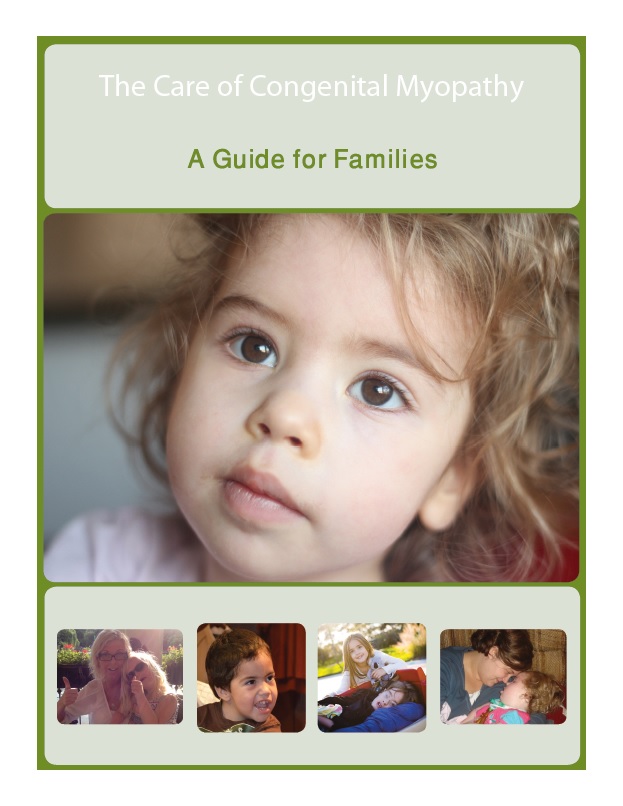
The Care of Congenital Myopathy: A Guide for Families: This is a wonderful resource for families to learn more about getting the best care in a wide range of clinical areas. Click here for a PDF version of this document.
This guide brings together evidence-informed care guidance, practical tips, and the lived experiences of people living with CM and their families. Topics include comprehensive care, breathing and respiratory management, mobility and rehabilitation, feeding and nutrition, genetics, transition to adulthood, coping with a diagnosis, and additional family resources. Because congenital myopathies vary greatly from person to person, not every recommendation will apply to everyone, but the guide can be a valuable tool for learning, advocating, and discussing care with your healthcare team.
You can click here to find the guide in Spanish, Polish and Russian.
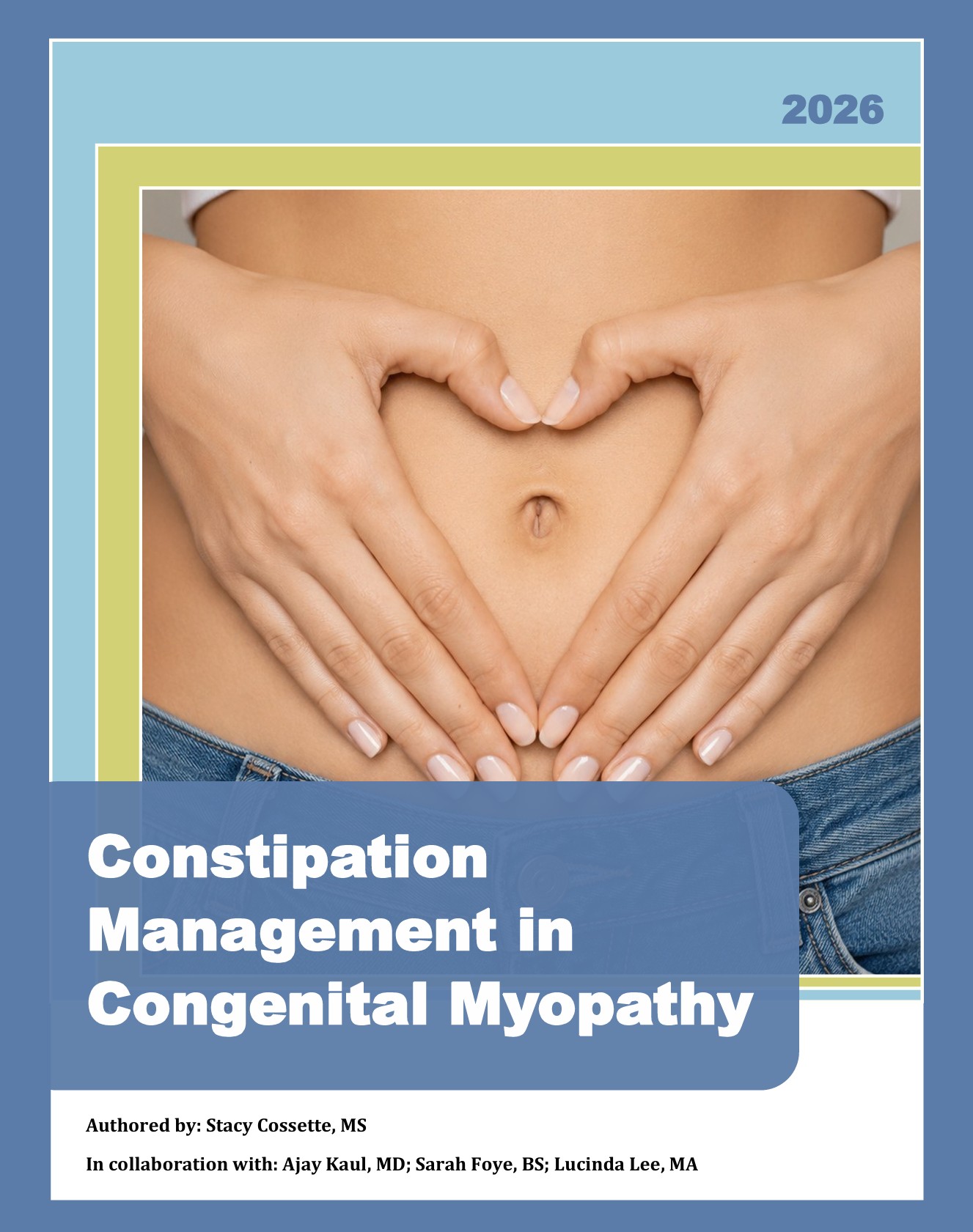
Constipation Management in Congenital Myopathy: this comprehensive guidebook is dedicated to the prevention, management, and treatment of constipation for the Congenital Myopathy community. Developed to address a critical gap in patient care, this resource provides practical, evidence-based strategies to help patients manage constipation effectively, including prevention of severe complications, optimization of bowel health, and improved overall quality of life. Click here to download this free PDF.
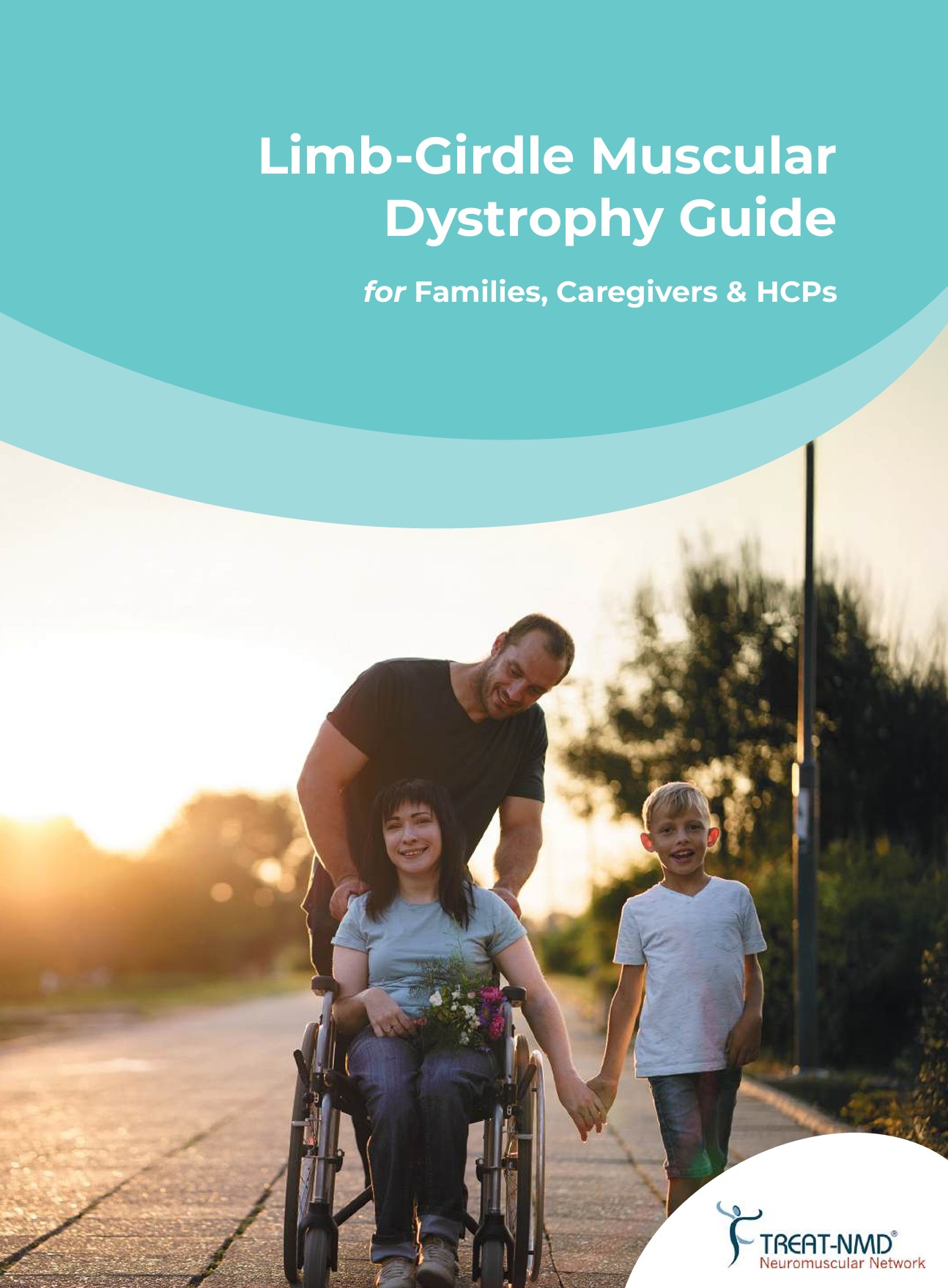
Limb-Girdle Muscular Dystrophy Guide for Families, Caregivers & HCPs
Limb Girdle Muscular Dystrophies (LGMDs) are a group of over 30 rare, genetic muscle conditions that cause progressive weakness, primarily in the shoulder and hip areas. To support individuals and families affected by LGMD, TREAT-NMD developed a plain-language LGMD Family Guide in 2025. It is designed for patients, families, and non-specialist clinicians. The guide focuses initially on general LGMD information and 7 specific subtypes. This guide has practical information for navigating life with LGMD. It is important to note, however, that there may be differences between countries on how care is managed and assistive support delivered. Click here to download this free PDF.
Heart care
Find a Specialist focused on heart care
Disease causing variants in the TTN gene can cause heart problems including disease of the heart muscle known as cardiomyopathy and/or irregular heart beats (atrial fibrillation and other irregular heart beats). It can be very helpful for people with TTN gene changes to see a special heart doctor known as a cardiologist. It may be beneficial to receive treatment from a medical center that specializes in cardiomyopathy or heart failure. It is important to note that not all cardiologists are specially trained in these two areas. You can find a specialist by going to www.medifind.com. Enter the patient’s zip code and “heart failure” as the condition, and a list of resulting providers that meet that criteria will be provided. You can read more about finding a specialist on the DCM Foundation’s page here: dcmfoundation.org
Global Heart Hub Heart Failure Friendly Guide
Based on the most recent ESC and AHA Heart Failure clinical guidelines, the GHH Heart Failure Patient Council developed a ‘friendly’ guide, designed to support individuals who have been newly diagnosed with heart failure, those who are living with the condition, and their caregivers.
By providing clear and concise information that is tailored to the patient’s needs, this guide can help individuals to understand the optimal care pathway for heart failure, inform their expectations, and encourage a more informed patient-doctor shared decision making. This will enable people with heart failure and their carers to better manage the condition, improve outcomes, and enhance the overall quality of life for those affected by heart failure. Click here to download the Global Heart Hub Heart Failure Friendly Guide.
Medical disclaimer: Information on this site is provided as an information resource only and is not to be used or relied on for any diagnostic or treatment purposes. Please consult with your personal treating medical team for professional diagnosis and treatment.